
Were Ancient Egyptians Generally Thin?
When people imagine ancient Egypt, they often picture slim pharaohs, elegant queens, athletic workers, and perfectly proportioned statues. But was everyone in ancient Egypt actually thin? Did overweight or obese people exist along the Nile thousands of years ago?
The short answer is yes. Fat people absolutely existed in ancient Egypt. However, they were relatively uncommon compared to modern societies, and body weight often reflected a person's wealth, occupation, and lifestyle rather than simply their eating habits.
For travelers fascinated by Egypt's history, understanding how ancient Egyptians viewed body size offers another fascinating window into everyday life beyond the pyramids and temples.
Were Ancient Egyptians Generally Thin?
Most ancient Egyptians maintained lean or average body shapes.
Life along the Nile demanded constant physical activity. Farmers worked long hours planting and harvesting crops. Builders hauled heavy limestone blocks. Craftsmen stood for hours creating furniture, jewelry, pottery, and statues. Even ordinary household chores required considerable physical effort without modern conveniences.
Their diet also played an important role. Most Egyptians ate simple foods such as:
- Bread
- Barley
- Emmer wheat
- Beans
- Lentils
- Onions
- Garlic
- Dates
- Figs
- Fresh vegetables
- Fish from the Nile
Meat was eaten much less frequently by ordinary people because it was expensive. Combined with physically demanding work, this lifestyle naturally kept most people relatively lean.
Did Obesity Exist in Ancient Egypt?
Yes—but primarily among the wealthy elite.
Modern studies of mummies, artistic evidence, and historical records suggest that obesity was present, particularly among high-ranking officials, nobles, and members of royal households.
Unlike ordinary laborers, elite Egyptians enjoyed several advantages:
- Richer diets with more meat
- Frequent feasts
- Sweet foods containing honey
- Greater access to alcohol, especially beer and wine
- Less physically demanding daily routines
- Numerous servants who performed manual work
These factors created conditions where weight gain became much more likely.
Although obesity was not widespread, archaeologists and medical researchers have identified several mummies that show evidence consistent with excess body fat and obesity-related diseases.
What Did Ancient Egyptian Art Show?
One reason many people believe obesity didn't exist is because ancient Egyptian art often portrays idealized figures.
Pharaohs, queens, and gods were usually shown with:
- Youthful faces
- Slim waists
- Broad shoulders
- Symmetrical features
- Perfect posture
These artistic conventions represented power, divine order, and perfection—not necessarily reality.
Ancient Egyptian artists followed strict rules rather than producing realistic portraits. Even elderly rulers could appear eternally youthful in official temple carvings.
However, there are important exceptions.
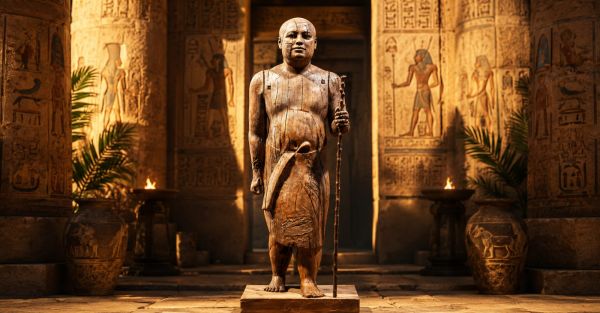
Some tomb paintings, reliefs, and statues depict wealthy officials with rounded stomachs, fuller faces, and heavier bodies. These images suggest that artists occasionally represented real physical appearances, especially in private tombs rather than royal monuments.
Was Being Fat a Sign of Wealth?
To some extent, yes.
In many ancient societies—including Egypt—having extra body weight could indicate prosperity because food was not equally available to everyone.
A large body sometimes reflected:
- High social status
- Financial success
- Access to luxury foods
- Freedom from manual labor
This doesn't mean obesity was universally admired, but moderate fullness could symbolize abundance in ways very different from modern attitudes toward body image.
What Did Ancient Egyptians Eat?
One surprising fact for visitors exploring Egyptian history is that ancient Egyptians actually ate a remarkably balanced diet.
Staple foods included:
Bread
Bread formed the foundation of nearly every meal. Numerous varieties existed, made from emmer wheat or barley.
Beer
Beer was safer than untreated water and supplied valuable calories and nutrients. It was consumed daily by adults and sometimes children.
Vegetables
Onions, lettuce, cucumbers, leeks, garlic, and radishes appeared frequently on the Egyptian table.
Fruits
Dates, figs, grapes, pomegranates, and melons provided natural sweetness.
Fish
The Nile supplied abundant fish, making it one of the most common sources of protein.
Meat
Beef, duck, goose, and lamb were mostly reserved for festivals or wealthy households.
Honey
Honey served as the principal sweetener because refined sugar did not yet exist.
Although their food was nutritious, wealthy Egyptians consumed more animal fat, richer meals, and larger portions than ordinary workers.
What Do Mummies Tell Us?
Modern science has transformed our understanding of ancient Egyptian health.
CT scans and examinations of royal and elite mummies have revealed evidence of conditions associated with modern lifestyles, including:
- Obesity
- Heart disease
- Atherosclerosis (hardening of the arteries)
- Diabetes-related indicators in some cases
- Arthritis
Several royal mummies appear to have lived comfortable lives with diets richer than those of common citizens.
Researchers emphasize that not every overweight mummy was obese by today's medical standards, but excess body fat certainly existed.
These discoveries remind us that many health challenges often considered "modern" have ancient origins.
Did Ancient Egyptians Exercise?
Exercise wasn't something people did intentionally as a hobby.
Instead, daily life itself provided continuous physical activity.
Farmers plowed fields manually.
Boatmen rowed along the Nile.
Builders carried stone.
Women ground grain by hand, fetched water, and prepared food.
Hunters walked long distances.
Soldiers trained constantly.
Only wealthy officials, priests, and royalty experienced relatively sedentary lifestyles.
Could Pharaohs Be Overweight?
Possibly.
Some historians believe certain rulers may have been overweight later in life.
For example, examinations of the mummy of Ramesses II suggest he aged considerably before his death at around 90 years old. Other royal mummies show evidence of cardiovascular disease associated with affluent lifestyles.
However, because official statues idealized rulers, determining their exact body shape from artwork alone is impossible.
Scientific imaging of mummies provides much stronger evidence than artistic depictions.
How Did Ancient Egyptians View Health?
Ancient Egyptians placed enormous importance on health and cleanliness.
Medical papyri describe treatments for numerous illnesses, while physicians recommended balanced eating and hygiene.
Although they lacked modern nutritional science, they understood that overeating and unhealthy lifestyles could contribute to illness.
Their physicians treated digestive disorders, heart symptoms, joint pain, and many other conditions that remain familiar today.
Can You See Evidence During Your Visit to Egypt?
Absolutely.
Visitors exploring Egypt can discover clues about everyday life—not just monumental architecture.
Look closely at museum collections and temple reliefs, particularly in:
- The Egyptian Museum in Cairo
- The Grand Egyptian Museum
- Luxor Museum
- Tombs in the Valley of the Nobles
- Saqqara's beautifully decorated tombs
Many scenes show banquets, food preparation, farming, fishing, and daily activities that help explain why body types varied between social classes.
Instead of focusing solely on kings and pyramids, these collections reveal the lives of ordinary Egyptians, wealthy officials, craftsmen, and farmers.
Yes, Fat People Lived in Ancient Egypt
The belief that everyone in ancient Egypt was slim is a misconception.
Most Egyptians remained lean because of physically demanding work and relatively simple diets. However, archaeological discoveries, mummy studies, and historical evidence clearly demonstrate that overweight and obese individuals existed—especially among the wealthy elite who enjoyed abundant food and less strenuous lifestyles.
This reality makes ancient Egypt feel surprisingly familiar. Like modern societies, differences in wealth, occupation, diet, and daily habits influenced people's health and body shape.
For travelers exploring Egypt today, these details add another layer of appreciation. Beyond the towering pyramids and magnificent temples lies the story of real people who experienced many of the same challenges that humans face today—from nutrition and health to social status and lifestyle.
Whether you're wandering through ancient tombs in Saqqara, admiring royal mummies in Cairo, or exploring temples along the Nile, remember that ancient Egypt was home to people of every shape, size, and social class. Their remarkable civilization continues to reveal new surprises, proving that history is often far more human than we imagine.
Explore Ancient Egypt Beyond the Monuments
Want to discover the real stories behind ancient Egyptian civilization? Our expertly guided Egypt tours take you beyond the famous landmarks, revealing fascinating insights into daily life, royal traditions, ancient medicine, food, and archaeology. From the Great Pyramids to the hidden tombs of Saqqara and Luxor, we'll help you experience Egypt's incredible history from a whole new perspective.
Best Egypt Tours 2026
| Tour | Itinerary | Price |
|---|---|---|
| Cairo and Nile Cruise Package | 7 Days | $ 1465 |
| Nile Cruise and Stay | 8 Days | $ 2300 |
| Egypt Pyramid Tour Packages | 8 Days | $ 1775 |
| Luxor and Aswan Tours | 4 Days | $ 665 |
| 5 Star Egypt Tours | 8 Days | $ 1775 |
| Egypt Pyramids Nile Cruise | 10 Days | $ 2300 |
| Cairo Holiday Packages | 5 Days | $ 870 |
| Egypt Overland Tours | 8 Days | $ 1495 |
| Egyptologist Tours | 7 Days | $ 1420 |
| Cairo to Abu Simbel Tours | 8 Days | $ 1720 |
| Ancient Egypt Tours | 10 Days | $ 2067 |
| Luxury Dahabiya Nile Cruise and Cairo | 8 Days | $ 3235 |