
The Heart of an Egyptian Breakfast
If you're planning a trip to Egypt, one of the best ways to experience the country's culture is through its food. Egyptian breakfast is much more than the first meal of the day—it's a daily tradition that brings families, friends, and coworkers together around a table filled with simple yet incredibly satisfying dishes.
Unlike the light breakfasts common in many Western countries, a typical Egyptian breakfast is hearty, affordable, and packed with plant-based proteins, fresh vegetables, and traditional breads. Whether you're staying at a luxury hotel in Cairo, exploring the streets of Alexandria, or visiting a small village along the Nile, you'll likely come across many of the same beloved breakfast staples.
Here's everything you should know before enjoying a traditional Egyptian breakfast.
The Heart of an Egyptian Breakfast
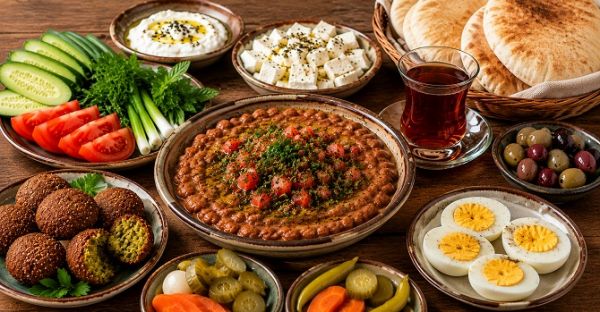
A classic Egyptian breakfast usually consists of several small dishes served together rather than one large meal. The combination provides carbohydrates, protein, healthy fats, and plenty of flavor.
The most common breakfast table includes:
- Ful Medames (slow-cooked fava beans)
- Ta'meya (Egyptian falafel)
- Baladi bread
- Eggs
- White cheese or cottage cheese
- Fresh vegetables
- Pickled vegetables
- Tahini
- Molasses and tahini (optional)
- Egyptian tea
Many families prepare nearly the same breakfast every morning, while restaurants often serve larger versions with additional side dishes.
Ful Medames: Egypt's National Breakfast
No Egyptian breakfast is complete without Ful Medames.
This iconic dish is made from dried fava beans that are slowly cooked for several hours until they become soft and creamy. The beans are then seasoned with olive oil or vegetable oil, lemon juice, garlic, cumin, salt, and black pepper.
Some people add:
- Chopped tomatoes
- Parsley
- Onions
- Chili peppers
- Boiled eggs
Ful has been eaten in Egypt for thousands of years and remains one of the country's most affordable and nutritious meals. Rich in plant protein, fiber, and complex carbohydrates, it keeps people feeling full for hours.
Visitors quickly discover that every restaurant has its own version of Ful, making it worth trying in several different places.
Ta'meya: Egypt's Famous Green Falafel
One of the biggest surprises for many visitors is discovering that Egyptian Ta'meya is different from the falafel served in many other Middle Eastern countries.
Instead of chickpeas, traditional Egyptian Ta'meya is made primarily from split fava beans mixed with fresh herbs such as:
- Parsley
- Dill
- Cilantro
- Leeks
- Garlic
- Coriander
The mixture is coated with sesame seeds before being fried until crispy on the outside while remaining soft, fluffy, and bright green inside.
The herbs give Ta'meya its distinctive color and fresh flavor, making it one of Egypt's most beloved street foods.
Many Egyptians enjoy Ta'meya tucked inside warm baladi bread with salad, pickles, and tahini, creating an inexpensive yet incredibly satisfying breakfast.
For many travelers, tasting authentic Egyptian Ta'meya becomes one of the highlights of their culinary journey through Egypt.
Baladi Bread: The Essential Companion
Fresh Baladi bread accompanies nearly every breakfast table.
This traditional whole wheat flatbread resembles pita bread but has a denser texture and richer flavor. Egyptians use it as both bread and utensil, tearing off pieces to scoop up Ful, dip into tahini, or wrap around Ta'meya.
Freshly baked baladi bread from a neighborhood bakery is one of the simplest pleasures you'll experience while visiting Egypt.
Eggs Prepared the Egyptian Way
Eggs are another common breakfast item.
Popular preparations include:
- Boiled eggs
- Fried eggs
- Scrambled eggs with tomatoes
- Eggs cooked with pastrami (Basterma)
Eggs provide additional protein and pair perfectly with Ful and fresh bread.
Many local restaurants also serve omelets filled with vegetables and herbs.
Egyptian Cheese
Cheese is another breakfast favorite.
The most common varieties include:
Gebna Beida (White Cheese)
A salty white cheese similar to feta but often creamier.
Gebna Qareesh (Cottage Cheese)
Made from skimmed milk, this soft cheese is lower in fat and often served with olive oil and tomatoes.
Roumy Cheese
A firm aged cheese with a stronger flavor, sometimes enjoyed alongside tomatoes and fresh bread.
Fresh Vegetables Every Morning
One thing that surprises many tourists is how many fresh vegetables appear at breakfast.
A typical plate often includes:
- Tomatoes
- Cucumbers
- Green onions
- Lettuce
- Fresh herbs
- Bell peppers
These vegetables balance the richer dishes and add freshness to every meal.
Pickles Add Extra Flavor
Egyptians love pickled vegetables.
Breakfast often includes:
- Pickled cucumbers
- Turnips
- Carrots
- Peppers
- Olives
The tangy flavors pair especially well with Ful and Ta'meya.
Tahini: A Creamy Favorite
Tahini, made from ground sesame seeds, is another breakfast staple.
It may be served plain or mixed with:
- Lemon juice
- Garlic
- Vinegar
- Parsley
Its creamy texture complements both Ful and Ta'meya perfectly.
Molasses and Tahini
For those who enjoy something slightly sweet, Egyptians sometimes mix blackstrap molasses with tahini.
The result is a creamy spread that's rich, slightly nutty, and sweet without being overpowering.
It's often eaten with fresh baladi bread.
Traditional Egyptian Drinks
Breakfast is usually accompanied by one of several popular drinks.
Egyptian Black Tea
Strong black tea is the nation's favorite breakfast beverage.
It's commonly served with fresh mint or plenty of sugar.
Turkish-Style Coffee
Small cups of strong coffee are another popular choice, especially in cities.
Fresh Juice
Hotels and cafés frequently serve fresh orange juice, mango juice, guava juice, or sugarcane juice depending on the season.
Is Egyptian Breakfast Healthy?
In many ways, yes.
A traditional Egyptian breakfast offers:
- High plant protein
- Plenty of dietary fiber
- Healthy fats
- Fresh vegetables
- Complex carbohydrates
The combination helps provide long-lasting energy throughout the morning.
Of course, deep-fried Ta'meya is best enjoyed in moderation, but when combined with vegetables and Ful, the meal remains surprisingly balanced.
Where Can Tourists Try Authentic Egyptian Breakfast?
Visitors can enjoy authentic breakfast almost anywhere.
Some of the best experiences include:
- Traditional neighborhood restaurants
- Small family-owned cafés
- Street food shops
- Local markets
- Hotel breakfast buffets featuring Egyptian cuisine
While luxury hotels often offer international breakfasts, many also include Egyptian specialties so guests can experience local flavors.
For the most authentic experience, don't hesitate to eat where local Egyptians gather in the morning.
Breakfast as Part of Egyptian Culture
Breakfast in Egypt is about more than food.
It's a social tradition where family members gather before work or school, friends meet at neighborhood cafés, and coworkers share meals before starting the day.
The recipes themselves have changed very little over generations, preserving flavors that have been enjoyed across Egypt for centuries.
This connection between food, family, and tradition is one reason so many visitors remember Egyptian breakfast long after returning home.
So, what is a typical breakfast in Egypt?
It's a generous spread centered around Ful Medames, crispy green Ta'meya, warm baladi bread, fresh vegetables, flavorful cheeses, creamy tahini, eggs, and a strong cup of Egyptian tea.
Simple ingredients come together to create one of the world's most satisfying traditional breakfasts—one that reflects Egypt's rich culinary heritage, warm hospitality, and love of sharing meals.
Whether you're spending a few days exploring Cairo, cruising the Nile, relaxing on the Red Sea, or discovering ancient temples in Luxor and Aswan, starting your morning with an authentic Egyptian breakfast is one of the easiest and most delicious ways to experience the country's culture.
Ready to taste Egypt beyond its ancient monuments? Our carefully planned Egypt tours combine iconic historical sites with authentic local experiences, giving you the chance to enjoy traditional breakfasts, discover vibrant food markets, and experience the flavors that Egyptians have cherished for generations alongside the country's world-famous landmarks.
Best Egypt Tours 2026
| Tour | Itinerary | Price |
|---|---|---|
| Egypt and Kenya Tours | 15 Days | $ 6250 |
| Egypt and Dubai Tours | 8 Days | $ 999 |
| Cairo and Istanbul Tours | 8 Days | $ 1250 |
| Turkey and Egypt Tours | 12 Days | $ 2825 |
| Egypt and Petra Tours | 12 Days | $ 2255 |
| Egypt and Jordan Tours With Nile Cruise | 14 Days | $ 3066 |
| Dubai and Egypt Vacation Packages | 12 Days | $ 2270 |
| Egypt and Morocco Tours | 15 Days | $ 4499 |
| Egypt and Jordan Luxury Tours | 8 Days | $ 1275 |
| Egypt and Greece Tours | 14 Days | $ 3380 |
| Egypt Tanzania Tour | 14 Days | $ 6275 |
| Cairo to Petra Tour | 7 Days | $ 945 |
| Egypt and Holy Land Tours | 15 Days | $ 4100 |