
Why Does Egypt Produce Such Excellent Fruit?
When most people think of Egypt, they picture the Pyramids of Giza, ancient temples, the Nile River, and golden deserts. However, Egypt is also one of the Middle East's most productive fruit-growing countries. Thanks to its year-round sunshine, fertile Nile Valley, and warm Mediterranean climate, the country produces a remarkable variety of delicious fruits that are enjoyed both locally and exported around the world.
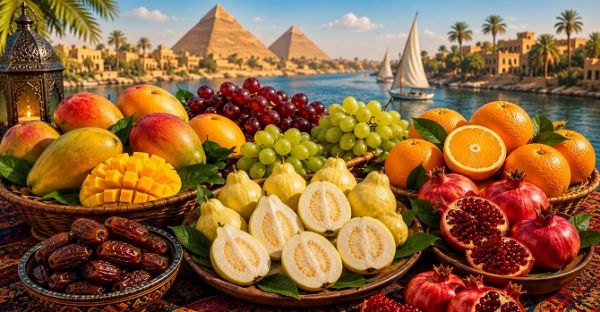
So, which fruit is famous in Egypt? The answer isn't limited to a single fruit. Egypt is particularly renowned for its sweet mangoes, juicy dates, flavorful guavas, citrus fruits, grapes, and fresh pomegranates. Each season offers travelers a different taste of the country's agricultural heritage.
Whether you're visiting local markets, enjoying breakfast at a Nile cruise, or exploring rural villages, tasting Egypt's fresh fruit is one of the country's simplest yet most memorable experiences.
Why Does Egypt Produce Such Excellent Fruit?
Egypt's geography creates nearly perfect conditions for fruit cultivation.
Several factors contribute to the exceptional quality of Egyptian fruit:
- Rich alluvial soil deposited by the Nile River for thousands of years
- More than 300 sunny days annually
- Long growing seasons
- Minimal rainfall during harvest periods
- Modern irrigation systems alongside traditional farming techniques
The combination of warm days and cool nights helps fruits develop high sugar content while maintaining their natural flavor.
Mangoes: Egypt's Summer Superstar
If there's one fruit that Egyptians eagerly await every year, it's the mango.
Although mangoes originally came from South Asia, they have become one of Egypt's most beloved summer fruits. The country's climate allows dozens of varieties to flourish, each with its own sweetness, aroma, and texture.
Popular Egyptian mango varieties include:
- Zebda
- Ewais
- fass
- Hindi
- Naomi
From July through September, fruit markets overflow with colorful piles of freshly harvested mangoes.
Egyptian mangoes are famous for being:
- Extremely sweet
- Low in fiber
- Richly aromatic
- Perfect for eating fresh or making juices
Many locals consider mango season one of the highlights of the Egyptian summer.
Dates: Egypt's Most Important Fruit Crop
While mangoes may be the favorite, dates are arguably Egypt's most famous fruit internationally.
Egypt consistently ranks among the world's largest date producers, harvesting well over a million tons annually.
Date palms have been cultivated in Egypt for over 5,000 years, making them deeply connected to the country's history.
Popular Egyptian date varieties include:
- Siwi
- Hayani
- Zaghloul
- Amhat
- Samani
Dates are enjoyed:
- Fresh
- Semi-dry
- Fully dried
- Stuffed with nuts
- Used in desserts
- Blended into traditional drinks
Visitors traveling through oases such as Siwa or the Nile Valley will find countless roadside vendors selling locally grown dates.
Guava: Egypt's Hidden Gem
Although many visitors come searching for mangoes, guava is one of Egypt's most underrated fruits.
Egyptian guavas are famous for their:
- Intense tropical aroma
- Creamy texture
- Sweet flavor with slight acidity
- Soft edible flesh
- High vitamin C content
The fruit is especially abundant during autumn and early winter.
Unlike the firmer guavas found in some countries, Egyptian guavas are often softer and incredibly fragrant when fully ripe.
One of the country's most popular seasonal drinks is fresh guava juice, often blended with mint for a refreshing twist.
During cooler months, many Egyptian households also prepare warm guava drinks, which are traditionally enjoyed when someone has a cold.
For travelers visiting between September and December, guava is one fruit that should not be missed.
4. Citrus Fruits: Sweet Winter Favorites
Egypt is also a major producer of citrus fruits.
The country's oranges, lemons, mandarins, and grapefruits are exported across Europe, Asia, and the Middle East.
Egyptian oranges are particularly prized because they combine:
- High juice content
- Bright sweetness
- Thin peels
- Vibrant color
Winter visitors often notice roadside stalls overflowing with freshly squeezed orange juice.
Orange season generally runs from late autumn through spring, making citrus one of Egypt's signature winter crops.
Grapes from the Nile Valley
Egypt has cultivated grapes since ancient times.
Ancient tomb paintings even show vineyards, wine production, and grape harvesting, demonstrating the fruit's long history in Egyptian civilization.
Today, Egypt grows numerous grape varieties including:
- Red grapes
- Green grapes
- Black grapes
- Seedless grapes
Many are exported to European markets due to their excellent quality and early harvest season.
Fresh grapes are widely available from May through August.
Pomegranates: A Taste of Autumn
Pomegranates thrive in Egypt's warm climate and are harvested during late summer and autumn.
Their ruby-red seeds are packed with juice and antioxidants.
Egyptians commonly enjoy pomegranates:
- Fresh
- In fruit salads
- As juice
- Mixed into desserts
The fruit's balance of sweetness and tartness makes it especially refreshing after a hot day of sightseeing.
Figs: A Mediterranean Delight
Fresh figs are another seasonal favorite.
Egypt produces both green and purple varieties, which are known for their honey-like sweetness and soft texture.
Figs are commonly eaten:
- Fresh
- Dried
- With honey
- Alongside cheese
- In homemade jams
The season is relatively short, making fresh figs a special treat during summer.
Bananas Grown Along the Nile
Although bananas are available throughout the year, many travelers are surprised to learn that Egypt grows its own.
Banana plantations flourish in Upper Egypt, where warm temperatures encourage rapid growth.
Locally grown bananas are generally:
- Smaller than imported varieties
- Naturally sweet
- Creamy in texture
They frequently appear at hotel breakfast buffets and local fruit stands.
Seasonal Fruit Guide for Travelers
Choosing fruit based on the season allows visitors to experience Egypt at its freshest.
Summer (June–September)
- Mangoes
- Grapes
- Figs
- Early pomegranates
Autumn (September–November)
- Guavas
- Pomegranates
- Dates
- Late mangoes
Winter (December–February)
- Oranges
- Mandarins
- Grapefruits
- Guavas
- Dates
Spring (March–May)
- Strawberries
- Loquats
- Early grapes
- Citrus
Where Can Visitors Buy Fresh Fruit in Egypt?
Fresh fruit is easy to find almost everywhere.
Travelers can explore:
- Traditional local markets (souks)
- Neighborhood fruit shops
- Roadside vendors
- Supermarkets
- Hotel breakfast buffets
- Nile cruise dining rooms
Local markets often provide the freshest fruit at very affordable prices while allowing visitors to experience everyday Egyptian life.
Which Fruit Should You Try First?
If you're visiting Egypt for only a short time, these fruits deserve a place on your tasting list:
- Mango (summer)
- Guava (autumn)
- Fresh dates
- Sweet Egyptian oranges
- Pomegranate
- Fresh grapes
- Local figs
Each reflects a different side of Egypt's rich agricultural traditions and diverse climate.
Egypt is far more than a land of ancient monuments—it is also a paradise for fruit lovers. While dates represent the country's oldest agricultural legacy and mangoes steal the spotlight every summer, fragrant guavas are one of Egypt's best-kept culinary secrets. From juicy oranges in winter to sweet grapes and pomegranates in warmer months, every season brings something fresh to discover.
For travelers, sampling locally grown fruit is an easy and authentic way to experience Egyptian culture. Whether you're wandering through a bustling market in Cairo, relaxing on a Nile cruise, or exploring an oasis, tasting Egypt's seasonal fruits offers a delicious connection to the land that has nourished civilizations for thousands of years.
Best Egypt Tours 2026
| Tour | Itinerary | Price |
|---|---|---|
| Egypt and Kenya Tours | 15 Days | $ 6250 |
| Egypt and Dubai Tours | 8 Days | $ 999 |
| Cairo and Istanbul Tours | 8 Days | $ 1250 |
| Turkey and Egypt Tours | 12 Days | $ 2825 |
| Egypt and Petra Tours | 12 Days | $ 2255 |
| Egypt and Jordan Tours With Nile Cruise | 14 Days | $ 3066 |
| Dubai and Egypt Vacation Packages | 12 Days | $ 2270 |
| Egypt and Morocco Tours | 15 Days | $ 4499 |
| Egypt and Jordan Luxury Tours | 8 Days | $ 1275 |
| Egypt and Greece Tours | 14 Days | $ 3380 |
| Egypt Tanzania Tour | 14 Days | $ 6275 |
| Cairo to Petra Tour | 7 Days | $ 945 |
| Egypt and Holy Land Tours | 15 Days | $ 4100 |