
History, Traditions, Food, and How Egyptians Celebrate Spring
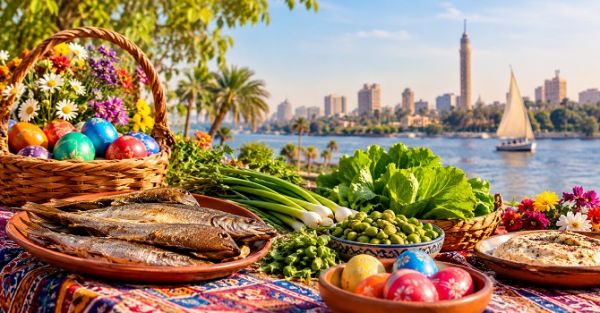
Imagine spending a spring morning in Egypt surrounded by blooming flowers, colorful boiled eggs, family picnics, and the gentle breeze of the Nile. For Egyptians, this scene is more than a pleasant way to welcome warmer weather. It is part of Sham El-Nessim, one of the country's oldest and most beloved cultural celebrations, with roots reaching back to ancient Egyptian civilization.
Celebrated by Egyptians of different religious backgrounds, Sham El-Nessim offers travelers a fascinating opportunity to discover the country's living traditions beyond its famous pyramids, temples, and archaeological treasures.
What Is Sham El-Nessim?
Sham El-Nessim is an annual Egyptian spring festival that celebrates nature, renewal, and the arrival of the new season. The name is commonly understood as “smelling the breeze,” reflecting the Egyptian tradition of going outdoors to enjoy the fresh spring air.
Unlike holidays associated exclusively with a particular religion, Sham El-Nessim is a national cultural occasion enjoyed by Muslim and Christian Egyptians alike. Families gather in parks, gardens, public squares, and along the Nile to eat traditional foods, spend time together, and welcome spring.
The celebration takes place on the Monday immediately following Coptic Orthodox Easter Sunday. Its date therefore changes each year, generally falling in April or early May. It is also an official public holiday in Egypt.
The Ancient Egyptian Origins of Sham El-Nessim
One of the most remarkable facts about Sham El-Nessim is its connection to ancient Egypt. Egyptian historical and cultural sources associate the festival with the ancient celebration known as Shamo, linked to the agricultural cycle, harvest, and the renewal of life.
Ancient Egyptians depended heavily on the Nile, whose annual flooding historically enriched the land and supported agriculture. Seasonal changes therefore held enormous importance in everyday life, religious beliefs, and community celebrations.
The arrival of spring represented more than a change in weather. It was a reminder of nature's ability to renew itself and sustain human life.
Over centuries, the celebration survived major changes in Egyptian society, including the spread of Christianity and Islam. Its customs evolved, but its connection with nature, food, and family gatherings remained.
Although some details of the festival's ancient rituals are difficult to establish with certainty, its long-standing place in Egyptian cultural history makes Sham El-Nessim a particularly interesting example of how traditions can survive across generations.
When Is Sham El-Nessim Celebrated?
Sham El-Nessim does not have a fixed Gregorian calendar date. Instead, it follows the Monday after Coptic Orthodox Easter, meaning the date changes from year to year.
For travelers planning an Egypt holiday, checking the annual date before booking is worthwhile. Visiting during this period can provide a glimpse of everyday Egyptian culture that differs from the usual sightseeing experience.
Because it is a public holiday, many Egyptians use the day for family outings. Popular parks and recreational areas can become especially crowded, and traffic around major leisure destinations may increase.
Travelers should also check the opening hours of individual attractions and businesses, as holiday schedules can vary.
Traditional Sham El-Nessim Foods You Should Know
Food is central to the celebration. Egyptian families prepare a recognizable selection of traditional dishes and ingredients, many of which have historical or symbolic associations.
Feseekh: Egypt's Famous Salted Fish
Feseekh is fermented and salted fish, traditionally prepared using grey mullet. It is perhaps the most recognizable food associated with Sham El-Nessim.
Its strong aroma and distinctive taste make it a memorable part of the celebration, although not everyone enjoys it. Egyptians who prefer alternatives may choose smoked herring, known locally as renga, or other fish dishes.
Food safety is important
traditionally fermented or improperly prepared fish can cause severe food poisoning, including botulism. Travelers should avoid homemade or unregulated products and purchase fish only from reputable suppliers. Pregnant people and individuals with certain health conditions should seek appropriate medical dietary advice.
Colored Boiled Eggs
Colorful boiled eggs are another familiar symbol of Sham El-Nessim. Families decorate them in bright colors, and children often enjoy choosing their favorite designs.
Eggs are commonly associated with life, creation, and renewal in explanations of the festival's symbolism. Their colorful appearance also adds to the cheerful atmosphere of spring gatherings.
For visitors, this simple tradition offers a lovely glimpse into the way Egyptian families pass cultural customs from one generation to the next.
Green Onions, Lettuce, and Green Chickpeas
Fresh green onions and lettuce are traditional additions to the Sham El-Nessim table. Green chickpeas, commonly called malana in Egypt, are another seasonal favorite.
These fresh ingredients complement the richer fish dishes and reflect the celebration's connection with springtime produce.
Together, the foods make Sham El-Nessim distinctive: it is a festival in which seasonal ingredients, family memories, and long-standing cultural practices come together.
How Do Egyptians Celebrate Sham El-Nessim Today?
For many Egyptians, the celebration begins early in the morning. Families prepare food at home, pack picnic baskets, and head out to enjoy the day.
Public gardens fill with people sitting on blankets, sharing meals, and chatting beneath the trees. Children play outdoors, relatives exchange greetings, and friends meet for leisurely gatherings.
Other families prefer a quieter celebration at home or a meal with relatives. In coastal cities, some people head toward the sea, while others enjoy the countryside or riverside scenery.
The festival is not primarily about formal ceremonies or organized performances. Its charm lies in ordinary moments: children coloring eggs, families sharing traditional food, and people making the most of a pleasant spring day.
This everyday atmosphere makes Sham El-Nessim particularly valuable to travelers interested in Egyptian culture and local life.
Where Can You Experience Sham El-Nessim in Egypt?
The celebration takes place throughout Egypt, but different destinations offer different ways to enjoy the spring holiday.
Cairo: The capital offers public gardens, green spaces, and Nile-side areas where visitors may see families enjoying picnics. Plan for crowds and allow extra travel time.
Giza: Travelers staying near the pyramids can combine their broader visit with an appreciation of seasonal life around the city. However, the Giza Plateau is an archaeological site, not a dedicated Sham El-Nessim festival venue.
Alexandria: With its Mediterranean coastline and seaside atmosphere, Alexandria provides a different setting for enjoying spring. Coastal promenades and recreational areas may be particularly lively during the holiday.
Luxor and Aswan: These Upper Egyptian destinations offer beautiful Nile scenery and a chance to observe local life along the river. Travelers visiting temples and archaeological sites can also explore how the Nile continues to shape Egypt's culture and landscape.
Whichever destination you choose, remember that public gardens and recreational areas may be busier than usual. Respect local customs, follow site regulations, and ask permission before photographing people at close range.
Is Sham El-Nessim a Good Time to Visit Egypt?
Yes, particularly if you want to experience more than ancient monuments and famous tourist attractions.
Spring can be an appealing season for exploring Egypt, although temperatures and conditions vary by destination. Cairo's streets, Alexandria's waterfront, and the Nile landscapes of Luxor and Aswan each offer a different perspective on the season.
The holiday can add cultural depth to a trip, especially for visitors interested in Egyptian traditions, local cuisine, and family life.
However, travelers focused on peaceful sightseeing should plan around the holiday crowds. It is sensible to arrange transportation in advance, check attraction schedules, and leave extra time for popular public spaces.
Sham El-Nessim is best approached with curiosity rather than the expectation of a large, centralized festival. Its real appeal is the chance to witness a tradition woven into everyday Egyptian life.
Discover the Living Culture of Egypt
Egypt's history is not confined to temples, tombs, and museum collections. It also lives in its food, seasonal celebrations, family gatherings, and customs that continue to connect modern Egyptians with their past.
Sham El-Nessim captures this connection beautifully. From the ancient associations with renewal and agriculture to today's colorful eggs, traditional foods, and outdoor picnics, the festival offers a different way to understand the country.
If you are planning a trip, explore our Egypt travel packages to discover Cairo's pyramids, the temples of Luxor, the beauty of Aswan, and memorable Nile cruises while experiencing the many layers of Egyptian history and culture.
Best Egypt Tours 2026
| Tour | Itinerary | Price |
|---|---|---|
| Cairo and Nile Cruise Package | 7 Days | $ 1465 |
| Nile Cruise and Stay | 8 Days | $ 2300 |
| Egypt Pyramid Tour Packages | 8 Days | $ 1775 |
| Luxor and Aswan Tours | 4 Days | $ 665 |
| 5 Star Egypt Tours | 8 Days | $ 1775 |
| Egypt Pyramids Nile Cruise | 10 Days | $ 2300 |
| Cairo Holiday Packages | 5 Days | $ 870 |
| Egypt Overland Tours | 8 Days | $ 1495 |