
A Colorful Cultural Experience for Travelers
What Is Tanoura Dance?
When exploring Egypt, most travelers think of the Pyramids of Giza, ancient temples, and Nile cruises. However, Egypt also offers fascinating cultural experiences that reveal the country's living traditions. One of the most captivating is the Tanoura dance, a colorful performance that combines traditional music, impressive spinning movements, and elaborate costumes.
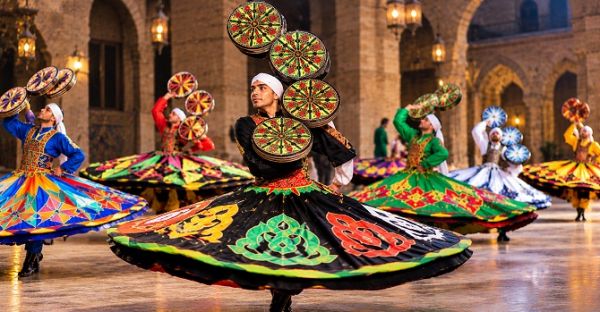
Tanoura is a traditional Egyptian performance in which a male dancer spins continuously while wearing a wide, colorful skirt. As he turns, the fabric spreads outward, creating beautiful circular patterns that move with the rhythm of the music.
For visitors interested in Egyptian culture, watching a Tanoura show offers a memorable evening and an opportunity to discover a different side of the country beyond its ancient monuments.
The History and Origins of Tanoura Dance
Tanoura dance is associated with Egyptian folk traditions and has connections to Sufi spirituality, which emphasizes devotion, remembrance of God, and the inner spiritual journey.
The performance shares similarities with the whirling traditions associated with Sufi communities in other parts of the Middle East, particularly the Turkish Mevlevi tradition. However, Egyptian Tanoura has developed its own distinctive character through colorful costumes, folk music, and theatrical movements.
The word "tanoura" refers to the skirt worn by the dancer. Traditionally, the circular costume is an essential part of the performance, helping create the distinctive visual effect that audiences recognize.
Today, Tanoura is performed at cultural events, traditional arts venues, and entertainment shows for both Egyptian audiences and international visitors. While some performances emphasize spiritual influences, others focus primarily on artistic expression and cultural entertainment.
This combination of history, music, and movement makes Tanoura an interesting experience for travelers who want to understand Egypt beyond its famous archaeological sites.
Why Do Tanoura Dancers Spin Continuously?
One of the most remarkable features of Tanoura dance is the dancer's ability to maintain continuous rotation while controlling the movement of the costume.
This skill requires balance, concentration, physical conditioning, and considerable practice. As the music develops, the dancer coordinates his movements with the rhythm, gradually creating increasingly elaborate shapes with the skirt.
In some performances, dancers lift sections of their costumes, hold them above their heads, or manipulate additional pieces of colorful fabric while spinning. The result is a constantly changing display of circles and patterns.
The circular movement can symbolize continuity, devotion, and spiritual harmony, although interpretations differ between traditions and performers.
For visitors, the experience combines athletic ability with artistic expression. Watching the dancer maintain his balance while the colorful skirt expands around him is often one of the most memorable moments of the show.
The Colorful Tanoura Costume
The Tanoura costume is central to the performance. Unlike ordinary dance clothing, it is specifically designed to create dramatic shapes during continuous spinning.
The dancer usually wears a wide, circular skirt made from several layers of fabric. As the dancer rotates, the skirt spreads outward, forming a large disc around his body.
Bright colors such as red, green, blue, and yellow create striking patterns, especially under stage lighting. Some performers wear multiple skirts that can be lifted or separated to produce additional visual effects.
The costume requires skill to control because its weight and structure influence the dancer's movements. The performance therefore involves more than simply spinning; it also requires precise coordination between the dancer's body, the fabric, and the music.
These colorful costumes make Tanoura particularly appealing to photographers and travelers looking for distinctive cultural experiences in Egypt.
Where Can You Watch Tanoura Dance in Egypt?
Cairo is one of the best destinations for travelers hoping to experience Tanoura dance, with several possible settings depending on the performance schedule.
Wekalet El Ghouri in Cairo
One of the best-known places associated with Egyptian Tanoura performances is Wekalet El Ghouri, a historic complex in the Al-Azhar area of Islamic Cairo.
The venue is connected with traditional Egyptian arts and cultural events. Its historic surroundings provide a distinctive atmosphere for watching a performance that celebrates local music and artistic traditions.
Schedules and availability can change, so check current performance arrangements before visiting.
Khan El Khalili and Islamic Cairo
Khan El Khalili is one of Cairo's most famous traditional markets, known for its souvenir shops, cafés, and historic atmosphere.
Although a Tanoura performance is not guaranteed at every venue in the market, cultural events and traditional shows may be available in the surrounding area.
Combining a visit to Khan El Khalili with an evening performance can be an excellent way to explore Cairo's historic districts, enjoy traditional Egyptian hospitality, and discover local arts.
Nile Cruises and Cultural Evenings
Some Nile cruises and organized Egyptian evenings include Tanoura-style performances or other traditional entertainment.
If you are planning a Nile cruise between Luxor and Aswan, ask your cruise operator whether a cultural show is included. Entertainment programs vary, so it is best to confirm the details before booking.
Hotels and Private Cultural Events
Some hotels and private tour organizers arrange Egyptian folklore evenings featuring Tanoura dancers, traditional music, and other performances.
These events can be convenient for families, couples, and travelers who prefer an organized cultural experience.
What Music Accompanies Tanoura Dance?
Music is an essential part of the Tanoura experience. Depending on the performance, musicians may use traditional instruments such as the oud, ney flute, rababa, and various drums.
The rhythm often builds gradually, encouraging the dancer to increase the complexity of his movements. Some performances also feature traditional singing or spiritual chants.
Because Tanoura relies heavily on music and visual expression, visitors can enjoy the show even without understanding Arabic.
The combination of rhythmic music, continuous spinning, and colorful costumes creates an atmosphere that is both entertaining and culturally distinctive.
Is Tanoura Dance the Same as Turkish Whirling Dervishes?
Although Egyptian Tanoura and Turkish whirling dervish traditions share similarities, they are not identical.
Both have connections to Sufi spirituality and incorporate spinning movements that may carry symbolic meaning. However, Turkish Mevlevi ceremonies follow a particular religious tradition with established practices and distinctive clothing.
Egyptian Tanoura is more closely associated with local folk traditions and often emphasizes colorful skirts, costume manipulation, and theatrical presentation.
For travelers interested in Middle Eastern culture, understanding these differences adds depth to the experience and highlights the diversity of regional artistic traditions.
Tips for Watching a Tanoura Show
A little preparation can help you enjoy your Tanoura experience in Cairo.
- Check the schedule: Confirm the performance date, start time, venue, and ticket arrangements before visiting.
- Arrive early: Arriving ahead of time may help you find a comfortable seat and enjoy the atmosphere.
- Dress comfortably: Modest clothing is a practical choice when exploring historic areas of Islamic Cairo.
- Bring your camera: The colorful costumes provide excellent photographic opportunities, but always respect photography rules.
- Combine sightseeing activities: Consider exploring Khan El Khalili or Al-Muizz Street before attending an evening show.
- Enjoy the entire performance: Pay attention to the music, costume movements, and coordination between the dancers and musicians.
Is Tanoura Dance Worth Experiencing During Your Egypt Trip?
Absolutely. Tanoura offers a cultural experience that complements Egypt's famous historical attractions.
While the Pyramids of Giza and the temples of Luxor introduce visitors to the country's ancient civilization, Tanoura provides a glimpse into its traditional music, folk arts, and cultural heritage.
The performance is suitable for many travelers, including couples, families, and photography enthusiasts. Its visual appeal also makes it accessible to international visitors regardless of their language.
Whether you are planning a private Cairo tour, a family holiday, or a longer Egypt vacation, adding a Tanoura show to your itinerary can make your trip more varied and memorable.
Egypt is a country where ancient history and living traditions exist side by side. Experiencing the Tanoura dance is a wonderful way to discover this cultural richness and enjoy an unforgettable evening in Cairo.
Discover our Egypt travel packages to experience the country's ancient wonders, vibrant culture, and unforgettable Nile cruises, with private guided tours and authentic cultural experiences that make your Egyptian adventure truly special.
Best Egypt Tours 2026
| Tour | Itinerary | Price |
|---|---|---|
| Cairo and Nile Cruise Package | 7 Days | $ 1465 |
| Nile Cruise and Stay | 8 Days | $ 2300 |
| Egypt Pyramid Tour Packages | 8 Days | $ 1775 |
| Luxor and Aswan Tours | 4 Days | $ 665 |
| 5 Star Egypt Tours | 8 Days | $ 1775 |
| Egypt Pyramids Nile Cruise | 10 Days | $ 2300 |
| Cairo Holiday Packages | 5 Days | $ 870 |
| Egypt Overland Tours | 8 Days | $ 1495 |