
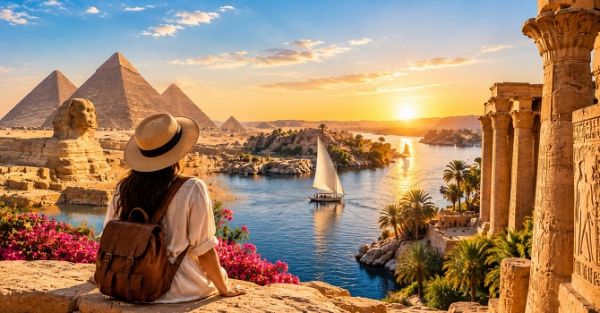
A Complete Guide to Cairo, Luxor and Aswan
Planning your first trip to Egypt can feel overwhelming. Should you spend more time exploring Cairo, discovering the ancient temples of Luxor, or enjoying the peaceful Nile scenery in Aswan? What is the prettiest city in Egypt, and which month offers the best conditions for sightseeing?
For most first-time visitors, 7–10 days is an excellent amount of time to explore Cairo, Luxor and Aswan. Each city offers a different experience, from the Great Pyramids of Giza and Cairo's historic neighborhoods to Luxor's extraordinary temples and Aswan's beautiful river landscapes.
This guide answers the most common questions about visiting Egypt, helping you plan an itinerary that balances sightseeing, cultural experiences and relaxation.
What Is the Prettiest City in Egypt?
There is no single answer because Egypt's cities offer different kinds of beauty. However, Aswan is often considered one of Egypt's most beautiful cities for its Nile scenery, islands and relaxed atmosphere, while Cairo and Luxor offer their own distinctive appeal.
Aswan is particularly attractive to travelers who love natural landscapes. The Nile flows around granite islands, traditional felucca sailboats cross the water, and Nubian villages add colorful architecture and cultural character to the scenery. Sunsets over the river can be especially memorable.
Luxor appeals to visitors who appreciate ancient history and monumental architecture. The city's temples, palm groves, agricultural fields and surrounding desert create a striking landscape that connects the modern city with ancient Thebes.
Cairo, by contrast, combines historic mosques, bustling markets, modern neighborhoods and the nearby Pyramids of Giza. Its beauty lies in its diversity, vibrant street life and extraordinary concentration of historical landmarks.
If you prefer peaceful river views, choose Aswan. If ancient monuments are your priority, Luxor may be your favorite. If you enjoy urban culture and historical contrasts, Cairo deserves more time.
What to See in Aswan City?
Aswan is one of the best destinations in southern Egypt for travelers seeking beautiful scenery, Nubian culture and ancient Egyptian history. It is generally more relaxed than Cairo and makes an excellent stop on a journey along the Nile.
Philae Temple
Philae Temple is one of Aswan's most celebrated attractions. Dedicated primarily to the goddess Isis, the temple complex stands on Agilkia Island and is reached by boat. Its monumental gateways, carved reliefs and island setting make the visit particularly memorable.
The Unfinished Obelisk
Located in an ancient granite quarry, the Unfinished Obelisk provides insight into the remarkable skills of Egyptian stoneworkers. Had it been completed, it would have been one of the largest obelisks ever made.
The Nubian Villages
Visiting a Nubian village offers an opportunity to learn about local traditions, distinctive architecture, crafts and everyday life. Colorful buildings and views of the Nile make these communities especially appealing to visitors interested in Egyptian culture beyond the major archaeological sites.
A Felucca Ride on the Nile
A traditional felucca sailing trip is one of the simplest ways to appreciate Aswan's scenery. Depending on the weather and sailing conditions, you can enjoy views of islands, riverbanks and the surrounding desert.
The Aswan High Dam
The Aswan High Dam is an important modern engineering landmark. It transformed water management and electricity production in Egypt and contributed to the creation of Lake Nasser.
Travelers with additional time can also visit Abu Simbel, famous for the colossal temples of Ramesses II. However, Abu Simbel is a separate excursion requiring additional travel time, rather than an attraction within Aswan city itself.
What to See in Luxor City?
Luxor is one of the world's most important destinations for ancient Egyptian archaeology. Situated on the site of ancient Thebes, it offers magnificent temples, royal tombs and monuments that reveal the religious and political power of the pharaohs.
Karnak Temple Complex
Karnak is an immense collection of temples, pylons, columns and sacred spaces developed over many centuries. Its Great Hypostyle Hall, with its enormous columns, is one of the most impressive architectural spaces in ancient Egypt.
Allow several hours to explore the complex properly.
Luxor Temple
Located near the modern city center, Luxor Temple is especially atmospheric in the evening when its illuminated monuments create a dramatic setting. It was closely associated with royal ceremonies and the religious traditions of ancient Thebes.
Valley of the Kings
On Luxor's West Bank, the Valley of the Kings contains royal tombs built for pharaohs of the New Kingdom. Many tombs feature elaborate painted decorations illustrating ancient Egyptian beliefs about the afterlife.
Entry arrangements and the tombs available to visit can vary, so check the current ticket information before your trip.
Temple of Hatshepsut
Built into the cliffs at Deir el-Bahari, this impressive mortuary temple is associated with Hatshepsut, one of ancient Egypt's most notable female rulers. Its terraces and architectural design make it a highlight of the West Bank.
Colossi of Memnon
These two monumental statues once stood in front of the mortuary temple of Amenhotep III. They are a popular stop during West Bank sightseeing tours.
Other worthwhile attractions include Medinet Habu, the Valley of the Queens and the Ramesseum. Luxor also offers hot-air balloon experiences, subject to weather conditions and operator arrangements.
What to See in Cairo City?
Cairo combines ancient wonders, medieval architecture, religious heritage and contemporary Egyptian life. It is the country's principal gateway for international travelers and offers enough attractions to fill several days.
The Pyramids of Giza and the Great Sphinx
The Pyramids of Giza are Egypt's most recognizable landmarks. The Great Pyramid of Khufu, the pyramids of Khafre and Menkaure, and the Great Sphinx provide an unforgettable introduction to ancient Egyptian civilization.
Although the pyramids are located in Giza rather than central Cairo, they are commonly included in Cairo sightseeing itineraries.
The Grand Egyptian Museum
The Grand Egyptian Museum near the Giza Plateau presents an extensive collection of ancient Egyptian artifacts. It is an important stop for travelers who want to understand the people, beliefs and achievements behind the monuments.
Check official visitor information for current opening hours, ticket options and access to specific collections.
Islamic Cairo and Al-Muizz Street
Historic Cairo features medieval mosques, traditional architecture and narrow streets that preserve the atmosphere of earlier centuries. Al-Muizz Street is particularly interesting for its historic buildings and architectural details.
Nearby Khan el-Khalili bazaar is a popular place to browse souvenirs, traditional crafts and local cafés.
The Citadel of Saladin
The Citadel is a historic fortified complex overlooking parts of Cairo. It is known for its military history, panoramic views and the prominent Mosque of Muhammad Ali.
Coptic Cairo
Coptic Cairo offers a different perspective on Egypt's religious heritage, with historic churches and important Christian sites. It is a valuable addition for visitors interested in the country's diverse cultural history.
Travelers with extra time may also explore traditional food markets, take a guided food tour or visit additional museums.
What Is the Best Month to Go to Egypt?
October, November, February and March are excellent months for many travelers visiting Egypt, particularly those planning extensive outdoor sightseeing in Cairo, Luxor and Aswan.
Egypt has a largely dry climate, but temperatures vary considerably between seasons and destinations.
- October and November: Temperatures generally become more comfortable after the summer heat, making these months attractive for temple visits and Nile cruises.
- December and January: Winter is a popular season for sightseeing. Days can be pleasant, although evenings and early mornings may be chilly, especially in desert areas.
- February and March: These months often provide favorable conditions for exploring archaeological sites, although temperatures rise as spring progresses.
- April and May: These months can still be suitable for travel, but southern Egypt becomes increasingly hot. Occasional khamsin winds may bring dust and sand.
- June, July, August and September: Summer can be extremely hot in Luxor and Aswan. Travelers visiting during this period should schedule outdoor activities early in the morning and plan regular breaks.
For most visitors, autumn and late winter to early spring offer a good balance of sightseeing conditions. If you are particularly sensitive to heat, prioritize the cooler months and avoid planning long outdoor visits around midday.
How Many Days in Luxor Is Enough?
Two days in Luxor is enough to see its principal highlights, including Karnak Temple, Luxor Temple, the Valley of the Kings and the Temple of Hatshepsut.
One day is possible if you focus on selected attractions, but the schedule can feel rushed, particularly if you want to explore both banks of the Nile.
With three days, you can visit additional archaeological sites, spend more time inside the tombs and temples, or enjoy a hot-air balloon flight if conditions permit.
For travelers who are passionate about ancient Egyptian history, three days can be especially rewarding.
How Many Days in Aswan Is Enough?
One to two days in Aswan is usually sufficient for the city's main attractions.
One full day can cover Philae Temple, the Unfinished Obelisk and a felucca ride, depending on opening hours and transportation arrangements.
Two days allow you to experience Nubian culture at a more relaxed pace and enjoy additional sightseeing without rushing.
If you want to visit Abu Simbel, allow additional time for the excursion. Depending on your transport arrangements, the visit can require much of a day, so it is best to plan it separately from your main Aswan sightseeing schedule.
Travelers who enjoy river scenery, photography and relaxed cultural experiences may appreciate spending longer in Aswan.
How Many Days in Cairo Is Enough?
Two to three days in Cairo is a good starting point for first-time visitors.
With two days, you can visit the Giza Plateau and Grand Egyptian Museum, then explore selected historical districts or other major attractions.
Three days provide more flexibility to discover Islamic Cairo, Khan el-Khalili, the Citadel of Saladin and Coptic Cairo without squeezing everything into a tight schedule.
If you enjoy museums, architecture, local cuisine and neighborhood exploration, consider staying longer. Traffic can be heavy, and traveling between different parts of the metropolitan area can take considerable time.
Remember that the pyramids are in Giza, part of the wider Greater Cairo metropolitan area, and travel time depends on your hotel location and traffic conditions.
How Many Days Do You Need to See Cairo, Luxor and Aswan?
For most travelers, a well-planned 7–10-day Egypt itinerary offers the best balance between seeing the main highlights and enjoying the journey.
A practical 7-day itinerary might include:
- Days 1–3: Cairo, including the Pyramids of Giza, the Grand Egyptian Museum and historic Cairo.
- Days 4–5: Luxor, covering the East Bank temples and the West Bank's royal tombs.
- Days 6–7: Aswan, including Philae Temple, Nile scenery and Nubian culture.
This schedule is relatively intensive and requires efficient transportation. Abu Simbel or a multi-night Nile cruise may require extending the trip or adjusting the itinerary.
With 8–10 days, you can allow more time for transfers, include a Nile cruise between Luxor and Aswan, or add an excursion without making the whole holiday feel rushed.
For travelers who want to explore Egypt at a slower pace, 12–14 days opens up more possibilities, including Alexandria, the Red Sea or additional time in Upper Egypt.
Plan Your Egypt Trip at the Right Pace
The best Egypt itinerary is not necessarily the one that includes the largest number of monuments. It is the one that gives you enough time to appreciate the places you visit.
Cairo introduces you to Egypt's historic and modern cultures, Luxor reveals the grandeur of the pharaohs, and Aswan offers a more peaceful connection with the Nile and Nubian heritage.
If you are planning your first visit, aim for 7–10 days, with two or three days in Cairo, two days in Luxor and one or two days in Aswan, adjusting the schedule for travel time and any Nile cruise or Abu Simbel excursion.
Explore our Egypt travel packages to discover private tours, Nile cruises and customized holidays designed around your interests, travel dates and preferred pace.
Best Egypt Tours 2026
| Tour | Itinerary | Price |
|---|---|---|
| Egypt Solar Eclipse Tour | 9 Days | $ 8995 |
| All Inclusive Vacations Egypt | 10 Days | $ 2940 |
| Cairo and Luxor Holidays | 5 Days | $ 1305 |
| Pyramids and Nile Cruise Holidays | 8 Days | $ 1690 |
| Cairo Private Tours | 4 Days | $ 780 |
| Cairo City Breaks | 3 Days | $ 575 |
| Luxury Egypt Tours with Nile Cruise | 12 Days | $ 2610 |
| Nile Cruise and Red Sea Stay | 12 Days | $ 2815 |
| Cairo Nile Cruise and Hurghada | 12 Days | $ 2200 |
| Package Trips to Egypt | 10 Days | $ 2165 |
| Egypt Honeymoon Packages | 10 Days | $ 3180 |